FLYLYFE JOURNAL · HOW TO STYLE A GRAPHIC TEE
How to Style a Graphic Tee So It Actually Looks Intentional
Styling a heavyweight graphic tee starts with the fabric. Garment-dyed 6.1 oz cotton drapes cleaner than thin blanks, so it takes a tuck, layers without bunching, and holds its line from day to night. Here's how to build outfits around the print — tuck, layer, and footwear included.
FLYLYFE · UPDATED 2026-07-07
Why heavyweight garment-dyed cotton changes how a tee falls
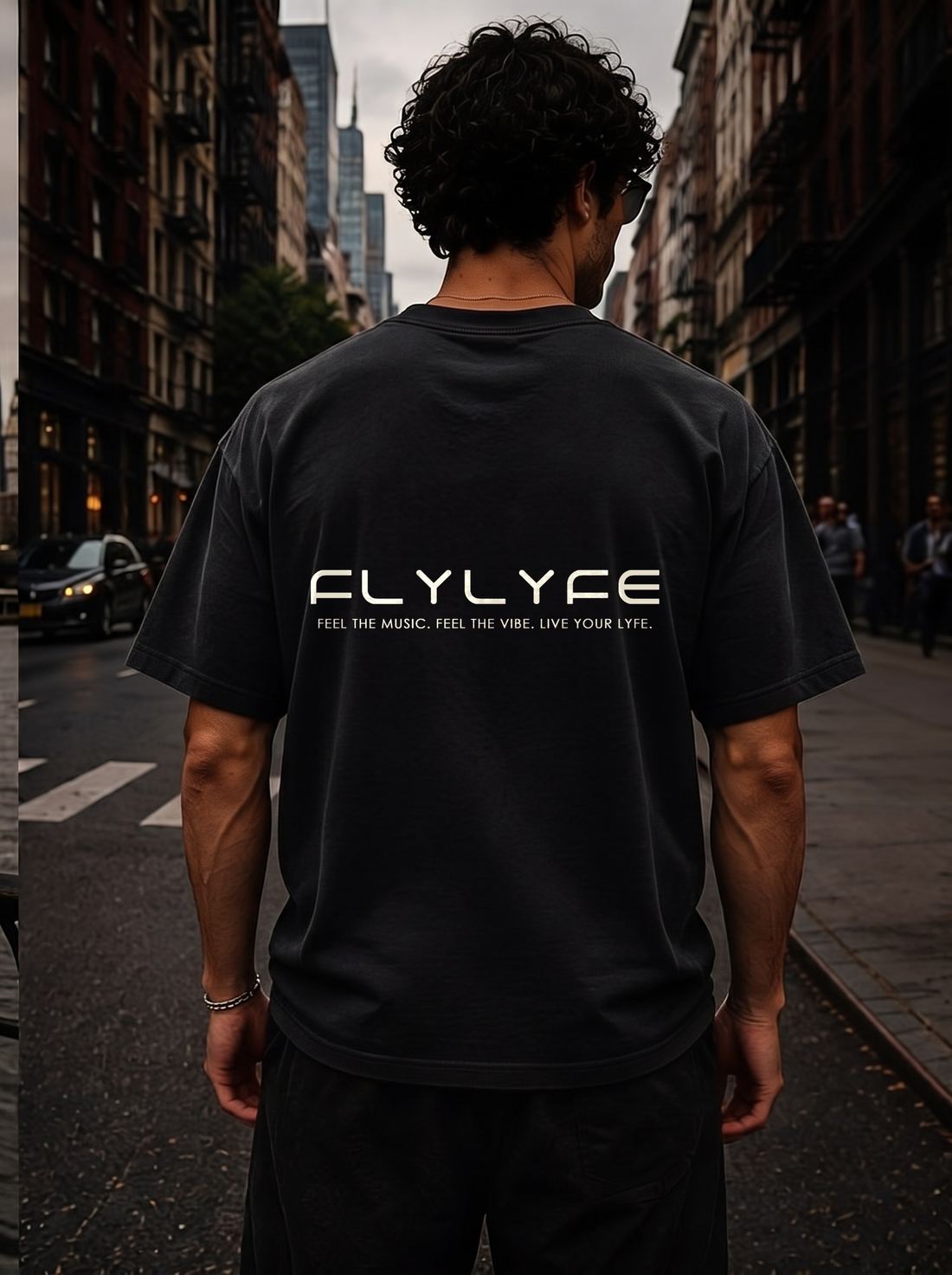
Most styling advice skips the part that matters most: the shirt itself. A thin, papery tee wrinkles at the shoulders, clings in the wrong places, and reads cheap no matter what you pair it with. Heavyweight garment-dyed cotton behaves differently. FLYLYFE prints on Comfort Colors 1717, a 6.1 oz, 100% ring-spun cotton blank that gets dyed after it is sewn, so the color settles into a soft, lived-in finish and the cloth hangs with real weight instead of floating on your frame.
That weight is the whole point. A heavier tee falls in a clean vertical line from the shoulder, holds a straight hem, and takes a tuck without ballooning. The garment-dye and soft-wash process also breaks in the fibers up front, so a brand-new Signature Tee already feels like the one you have owned for three summers. Structure plus softness is what makes an outfit look considered rather than thrown on.
Tuck vs untuck: the one decision that sets the whole outfit
The fastest way to change a graphic tee outfit is deciding what to do with the hem. A full tuck sharpens everything, defines your waist, and pushes the look toward polished, which is ideal with pleated trousers or high-rise denim. The French tuck, front tucked and back loose, is the everyday middle ground: it keeps the print visible, adds shape, and flatters almost any body.
Untucked is the default streetwear read, and heavyweight cotton earns it. Because a 6.1 oz tee holds its own line, an untucked hem sits flat and blunt instead of curling up. If the shirt runs long, a half-tuck or a single front fold keeps the proportions honest. The rule of thumb: the heavier and boxier the tee, the more it rewards being left out; the more fitted the cut, the more a clean tuck pays off.
Layering a heavyweight tee without burying the graphic
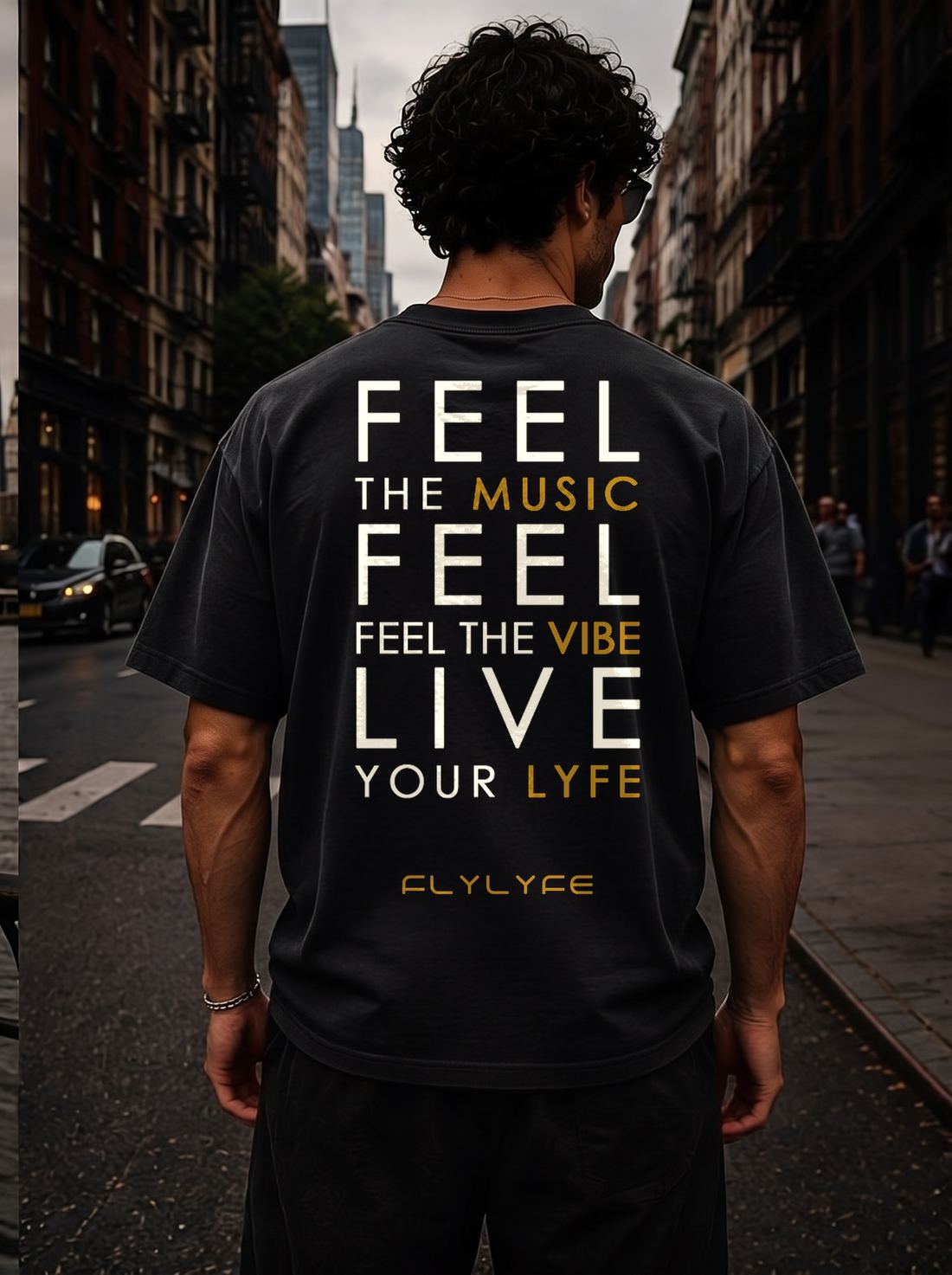
Layering is where a graphic tee stops being a t-shirt and becomes an outfit. The trick is to frame the print, not hide it. An open overshirt, an unzipped track jacket, or a boxy denim jacket creates a vertical window that pulls the eye straight to the design. The Anthem Tee works especially well this way, since the graphic still reads clearly from a few feet back.
Because the base tee is heavyweight, you do not need much on top. A lightweight bomber or a cropped jacket balances the shirt's density without adding bulk. In colder months, a heavy tee layered under a hoodie and a topcoat still holds its shape at the collar and hem, with no bunching and no wilting. Keep the layers in a tight tonal range so the print stays the loudest thing in the fit.
Bottoms and footwear that let the shirt lead
Once the top half is set, keep the bottoms quiet and let the shirt lead. Straight-leg or loose denim is the safest anchor, raw indigo for contrast or washed black for a moodier read. Wide cargos and pleated trousers lean the outfit more fashion-forward, while classic five-pocket jeans keep it grounded and wearable anywhere.
Footwear sets the register. Low-profile sneakers or classic canvas keep a heavyweight t-shirt outfit casual and city-ready. Chunkier runners push it contemporary, and clean leather boots pull it toward evening. The move is to match the shoe's formality to the hem decision you already made: untucked and sneakered for daytime, tucked and booted when you want the same shirt to carry a night out.
Taking the same graphic tee from day to night
Heading to a club or outdoor event? The house music concert and festival outfit guide adds venue, weather and packing considerations to these styling ideas.
A great heavyweight tee is a full-day garment. FLYLYFE is a New York City house-music brand, and the clothes are built for the arc house heads actually live: coffee in the afternoon, a dance floor after midnight. House music itself grew out of exactly this kind of transition. The genre took shape in early-1980s Chicago at a club literally called the Warehouse, where Frankie Knuckles turned late nights into something people organized their whole week around.
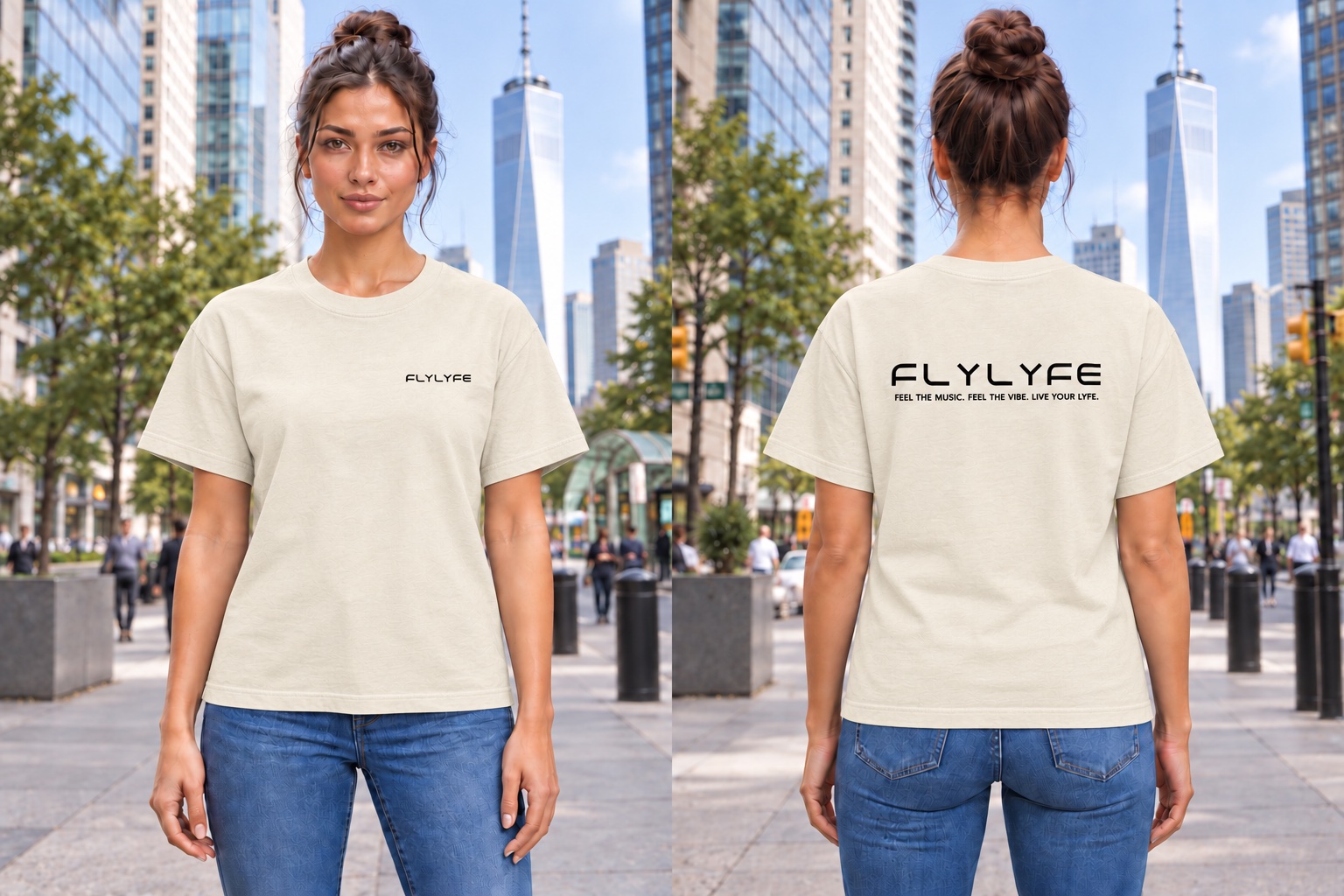
To move a graphic tee from day to night, subtract and darken. Swap light denim for black, trade sneakers for boots, add a sleek jacket, and let the print do the talking under low light. The women's Signature Tee is cut fitted for exactly this, tucked into a high waist by day and worn under an open jacket when the set starts. Same shirt, two completely different rooms.
Frequently asked questions
How do you dress up a graphic tee?
Start with a heavyweight garment-dyed tee so it holds a clean line, then tuck it into pleated trousers or high-rise denim, layer an open overshirt or tailored jacket over the top, and finish with clean leather boots. Keeping everything in a tight tonal range lets the print read as the intentional focal point rather than the loudest part of a casual fit.
Do heavyweight garment-dyed t-shirts shrink?
Garment-dyed heavyweight tees like the Comfort Colors 1717 are dyed and washed as finished garments, so most of the shrinkage happens before the shirt reaches you and further shrinkage is minimal. Wash cold and hang or tumble low to keep the fit and the lived-in finish. That stability is part of why a heavier tee keeps its shape and drape wash after wash.
Should you tuck in a graphic tee or leave it out?
It depends on the cut and the occasion. A fitted tee rewards a full or French tuck to define the waist, while a boxier heavyweight tee looks best left out because the extra weight keeps the hem sitting flat instead of curling. As a general rule, tuck to sharpen an outfit for the evening and leave it untucked for an easy daytime streetwear read.