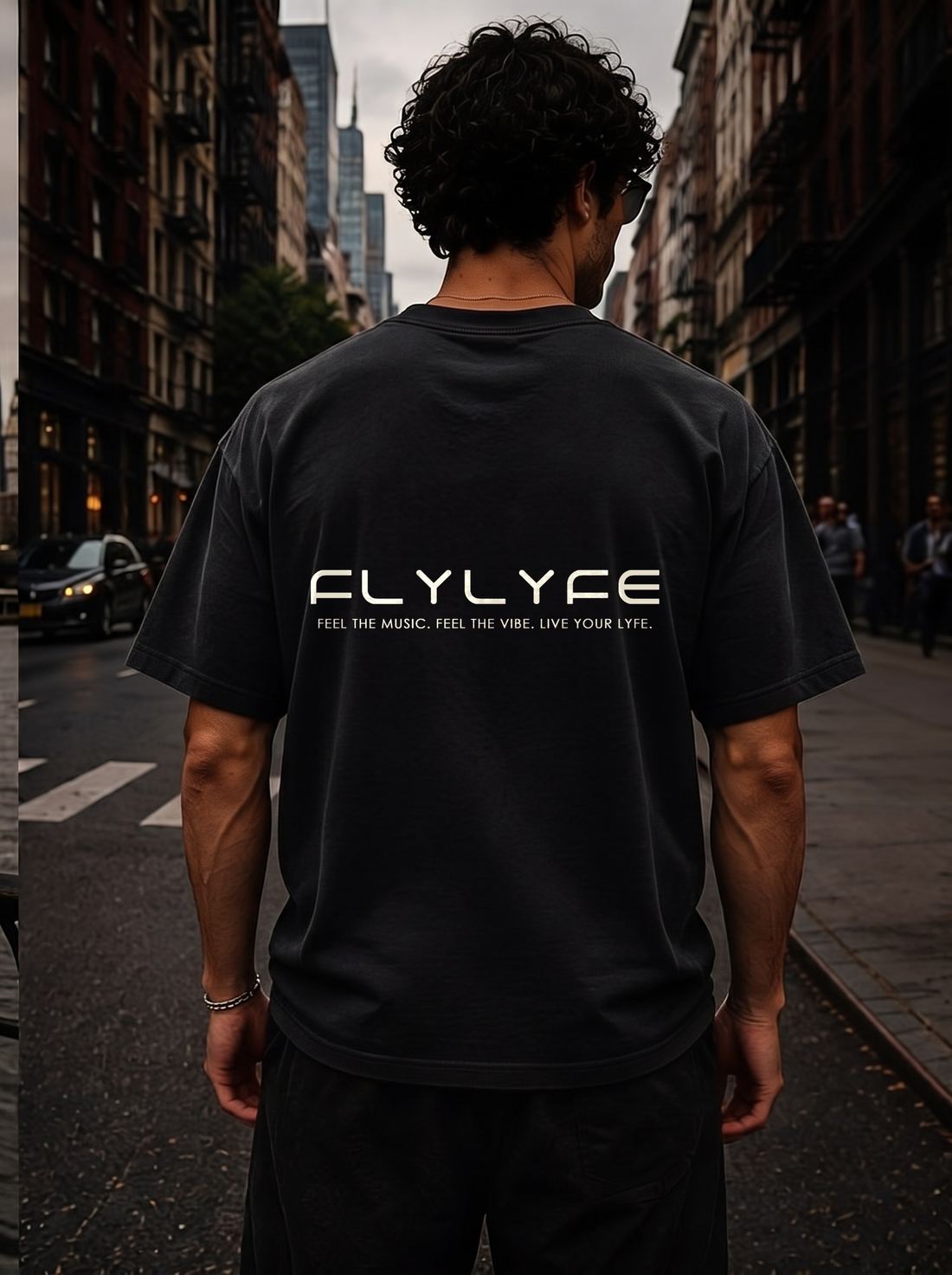
FLYLYFE JOURNAL · NYC HOUSE MUSIC STREETWEAR
NYC House Music Streetwear: The Culture Behind the Cotton
NYC house music streetwear runs on a real lineage: Chicago's Warehouse gave the sound its name, and New York's Paradise Garage and loft parties gave it a home. This guide traces that history, breaks down the dark-and-gold aesthetic, and shows how FLYLYFE presses it into wearable cotton.
FLYLYFE · UPDATED 2026-09-23
Where House Music Actually Started
House music didn't fall out of the sky. It grew out of Chicago's early-to-mid-1980s underground, where DJs like Frankie Knuckles reworked disco into something more mechanical and hypnotic for a largely Black, Latino, and queer dance floor at a club called the Warehouse. The genre even took its name from that room: record-store crates of the tracks Knuckles spun were labeled 'as heard at the Warehouse,' later shortened to 'house.'
That origin matters, because everything worn on a modern dance floor is downstream of it. Real house-inspired clothing isn't costume — it's a nod to a specific culture that started in a basement, not a stadium.
How New York Made It Its Own
If Chicago named the sound, New York gave it a cathedral. From 1977 to 1987, Larry Levan held a legendary residency at the Paradise Garage on King Street in Hudson Square, a members-style club modeled on David Mancuso's invitation-only Loft parties. No liquor, no VIP theater — just a monster sound system and a crowd that treated dancing as the whole point.
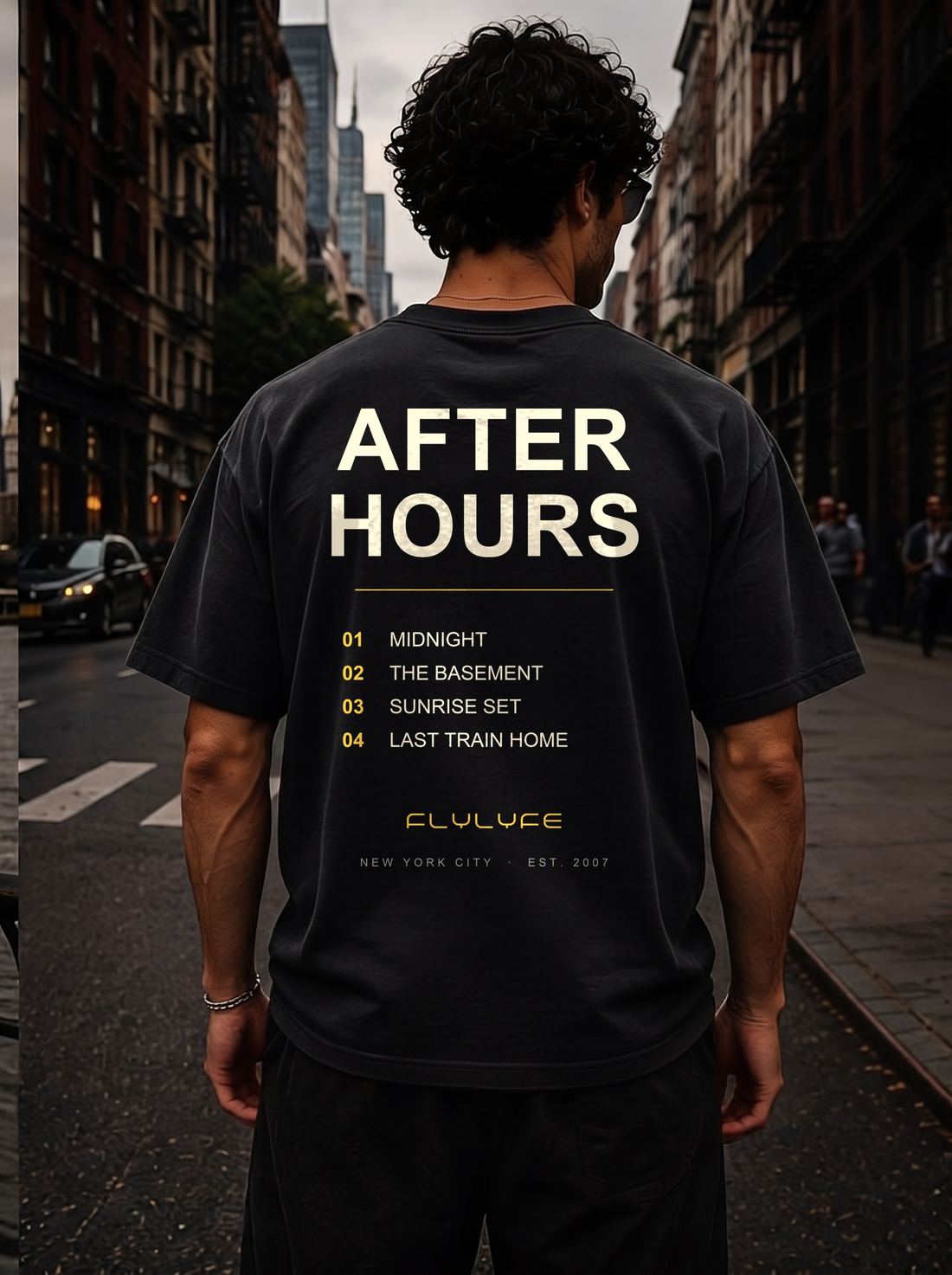
That world produced its own dialect of the genre, sometimes called garage house or New York house, and its DNA still shows up in after-hours culture. It's the spirit behind a piece like the After Hours Tee, cut for the part of the night when the city belongs to the dancers and no one else is awake to see it.
The Aesthetic: Dark Palette, Gold, and Subway Motifs
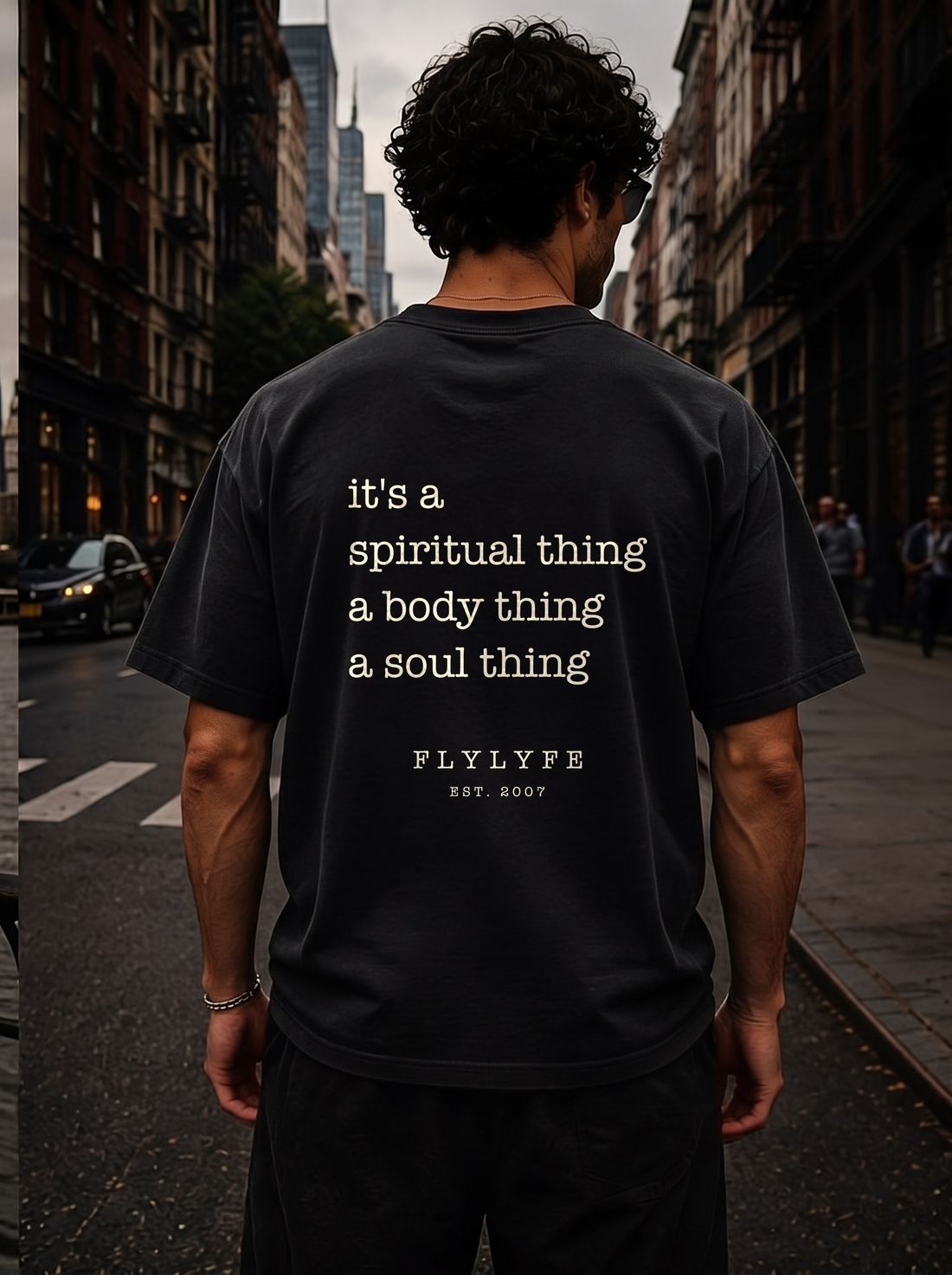
House-inspired streetwear has a recognizable look, and it isn't neon rave gear. It leans dark — ink blacks, washed charcoals, faded creams — with hits of gold that nod to a record label, a club marquee, or a late-night glow. The type is usually clean and confident, the way a flyer or a white-label 12-inch sleeve is confident. A piece like the House Music Tee sits right in that lane: the genre stated plainly, no gimmicks.
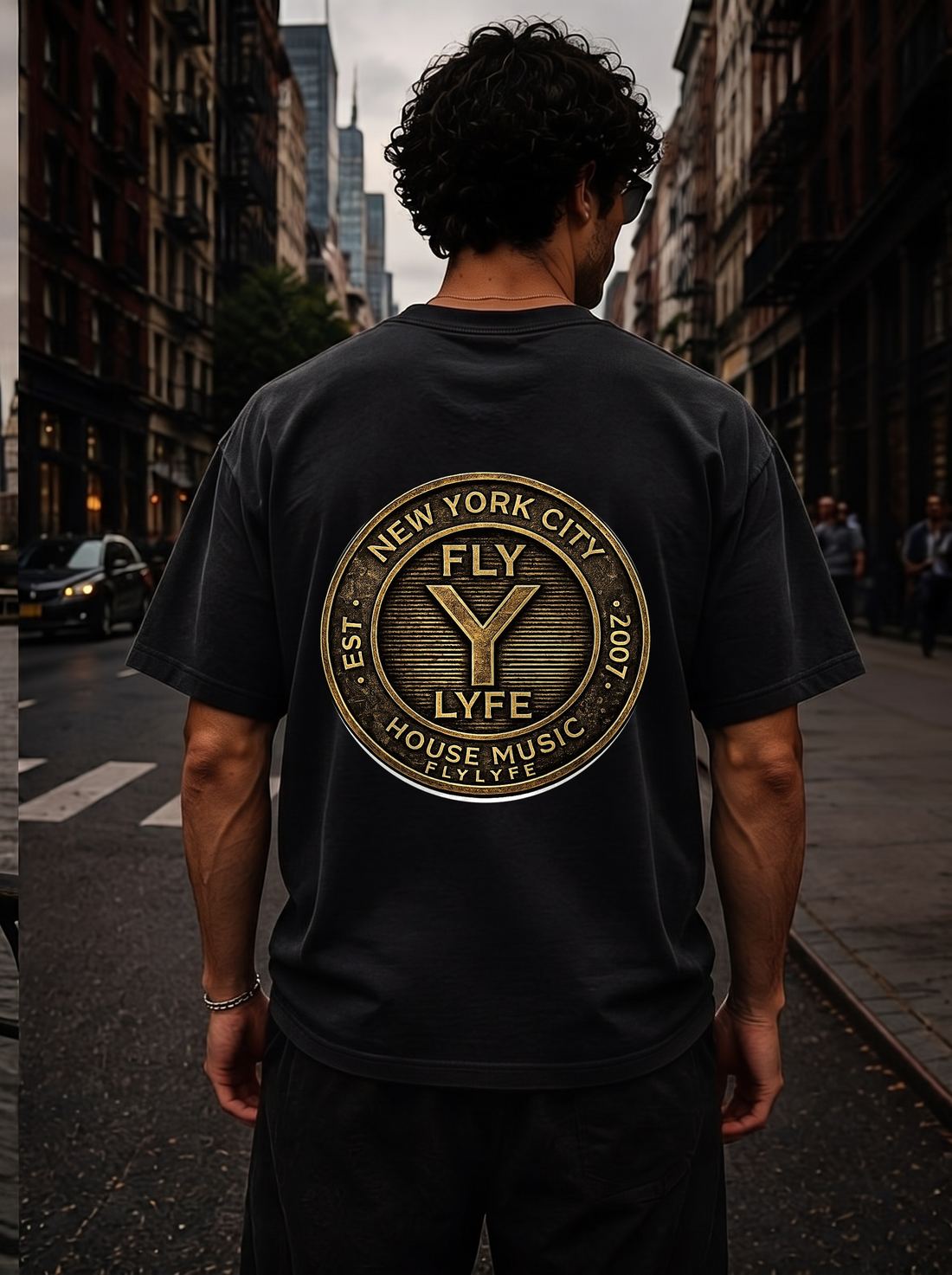
The other recurring motif is the city itself. Nothing says New York nightlife like transit, and the subway token — introduced in 1953 and retired in 2003 when the MetroCard took over — is a perfect emblem: a small brass circle that got you across the boroughs to wherever the party was. The Token Tee plays on exactly that piece of vanished city hardware, turning a pre-swipe relic into a badge for people who still ride the train home at 4 a.m.
How FLYLYFE Translates the Vibe
A good graphic is only half the story; the blank underneath decides whether you actually wear it. Every FLYLYFE tee is built on a Comfort Colors 1717 — a heavyweight, garment-dyed, 100% ring-spun cotton blank with the soft, lived-in hand that garment dye gives you straight out of the mailer. Prints are DTF-applied to order in Los Angeles, and the inside-neck label is printed tagless, so nothing scratches your neck on a packed floor.
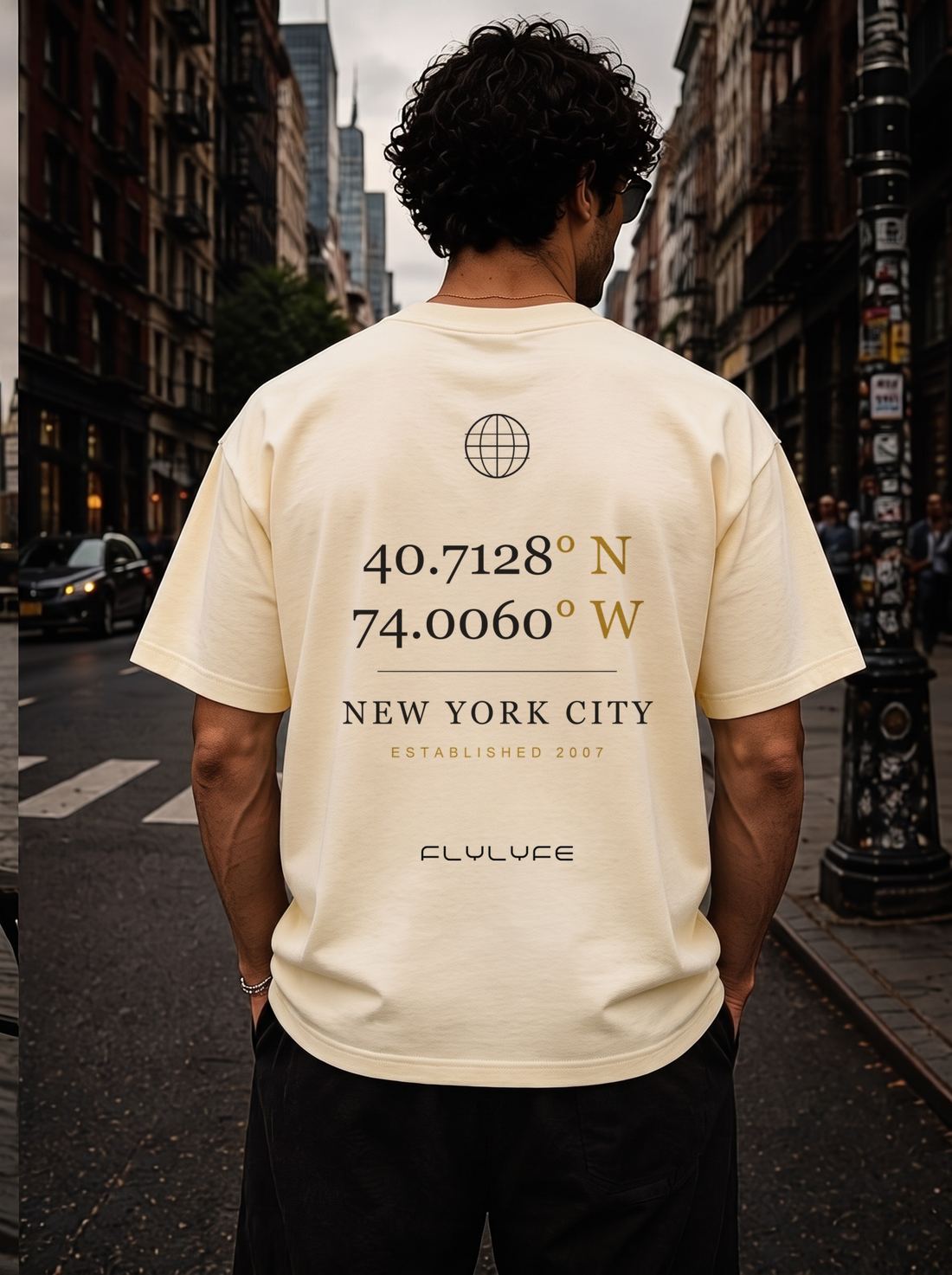
Men’s and women’s relaxed sizes run S–3XL, women’s fitted S–2XL, and most tees are $49.99. Something like the Coordinates Tee, which maps a set of numbers to a place that means something, only lands if the shirt itself feels right — which is the whole reason for starting with that blank instead of a flimsy one.
Building a Rotation That Reads
For a specific night out, start with the house music concert and festival outfit guide, then adapt your layers and footwear to the venue.
You don't need a closet full of it. Two or three well-chosen pieces — one statement graphic, one subtler nod — cover most of what a house head actually wears out. US shipping is calculated by weight at checkout (from $11.49 for one tee), and a second tee usually adds only about a dollar, so the honest move is to pair a loud one with a quiet one.
Reach for the everyday FLYLYFE staple as your base layer and let the graphic tees do the talking on the nights that matter. Everything is made to order with 7–10 business days of production, and FLYLYFE ships worldwide, so a dancer in Berlin or Tokyo can wear the same New York lineage as someone catching the L train back to Brooklyn.
Frequently asked questions
What is house music streetwear?
It's apparel inspired by house music culture — the Chicago-born, New York–raised dance genre. Expect dark palettes, gold accents, clean type, and city motifs like subway tokens rather than bright rave graphics. FLYLYFE's line is built around that lineage on heavyweight Comfort Colors garment-dyed blanks.
Where does FLYLYFE make its house music clothing?
Every tee is printed to order in Los Angeles using DTF. Relaxed tees use heavyweight Comfort Colors 1717 cotton; women’s fitted tees use lightweight Bella + Canvas 6004 cotton. Production runs 7–10 business days, and orders ship worldwide.
Why do NYC house tees use subway and coordinate motifs?
Because the culture is tied to the city. The subway got dancers to clubs like the Paradise Garage, and coordinates point to specific places that matter. To insiders, those symbols carry more meaning than a generic logo ever could.