FLYLYFE JOURNAL · NYC SUBWAY TOKEN HISTORY
NYC Subway Token History: From a 1953 Fare Hike to a City Icon
The New York City subway token debuted in 1953, when a fare hike broke the turnstiles, and rode the rails until the MetroCard retired it in 2003. Over those fifty years the little brass coin became a pocket-sized emblem of the city itself.
FLYLYFE · UPDATED 2026-09-23
Why the subway token was born in 1953
In 1953 the subway fare climbed from a dime to fifteen cents, and the city's engineers hit a wall: no turnstile of the era could reliably take a dime and a nickel, or three nickels, in a single swipe. The fix was elegant. Mint one coin worth exactly one ride and let the turnstile read that instead of the change. The New York City subway token was born, a small brass slug with the letters NYC stamped in the center and the Y punched clean out of the metal. It was a workaround that ended up outliving nearly everyone who designed it.
How the token became a New York icon
For half a century, a token in your pocket meant you could move. It was freedom sized to fit in a coin purse. New Yorkers kept a spare token tucked in a wallet or a shoe the way you might stash an emergency twenty, and the token clerk in the booth was a fixture of every station. The coin showed up in movies, in lyrics, on keychains, threaded onto necklaces. It was small enough to lose and important enough to never actually lose.
The design kept evolving, too. The original NYC cutout ran until 1979, when the diamond jubilee token marked the subway's 75th anniversary. The bullseye token arrived in 1986 with a ring of silver-colored metal set into the brass, and in 1995 the five-boroughs token, with its pentagon cutout, became the last one ever struck. Each version is now a small collector's object, a way to date a New Yorker by which coin they grew up feeding into the slot.
2003: when the MetroCard retired the token
The MetroCard first appeared in 1994, which made New York one of the last major systems in the country to switch to fare cards. The token held on for another nine years out of pure habit and affection. April 12, 2003 was the last day tokens were sold; by early May they no longer opened the subway turnstiles, and buses stopped taking them by the end of that year. Fifty years, done. What surprised people was the grief. A transit fare had somehow become a keepsake, and overnight the token turned from everyday tool into a nostalgia object New Yorkers still keep in a drawer.
The token and the sound of the city
That same city, in those same decades, was inventing a sound. While Chicago's Warehouse gave house music its name in the early 1980s, New York built its own soulful, gospel-tinged version on the dance floor of the Paradise Garage, where Larry Levan turned a Saturday night into something close to church. The people riding the trains home at six in the morning, token in pocket, were carrying that music back out into the boroughs. FLYLYFE has lived in that overlap since 2007: the everyday machinery of New York and the music that moves through it. The token is a perfect emblem of both. It is transit, and it is a beat you can hold in your hand.
How FLYLYFE reimagines the token
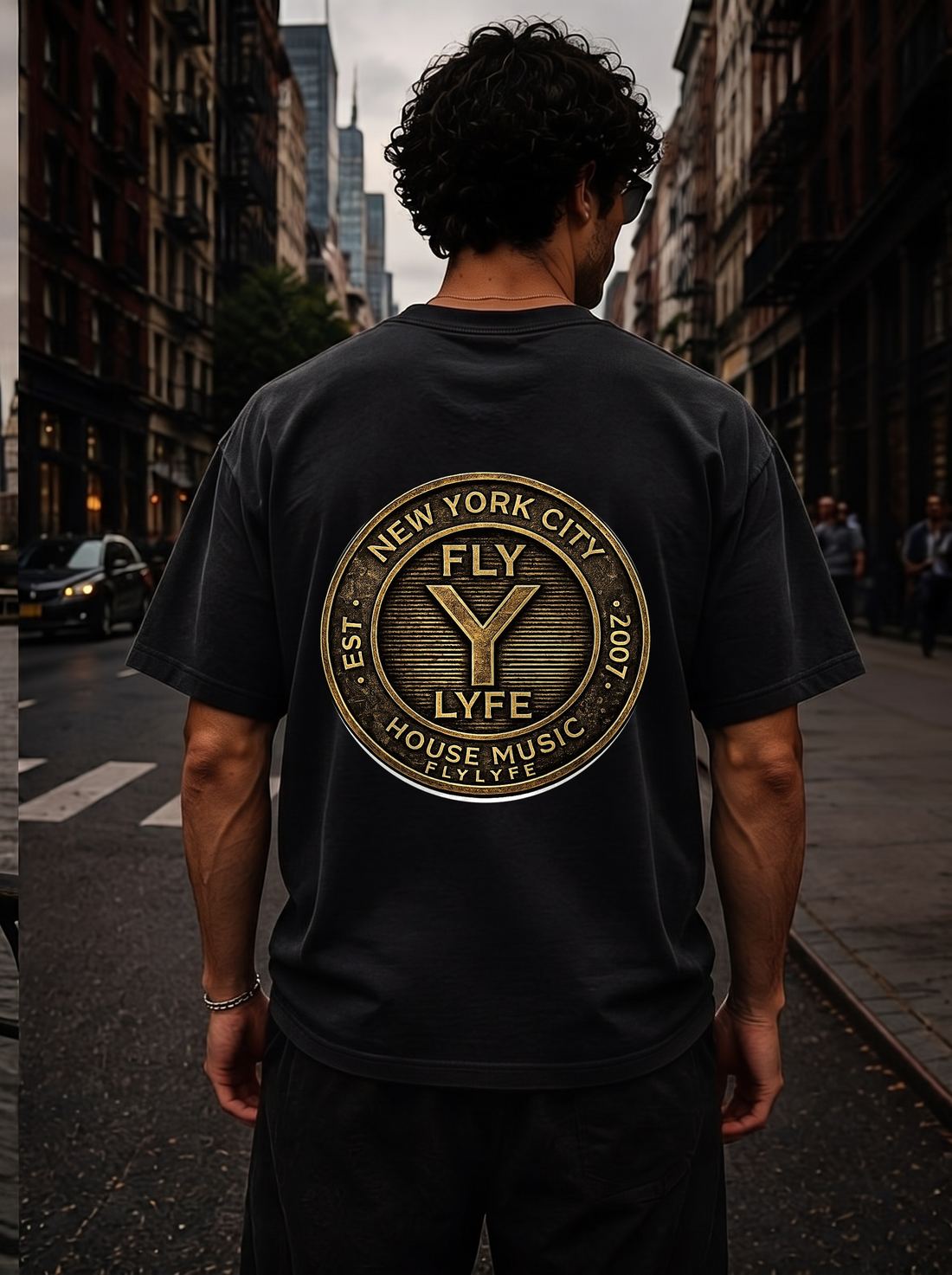
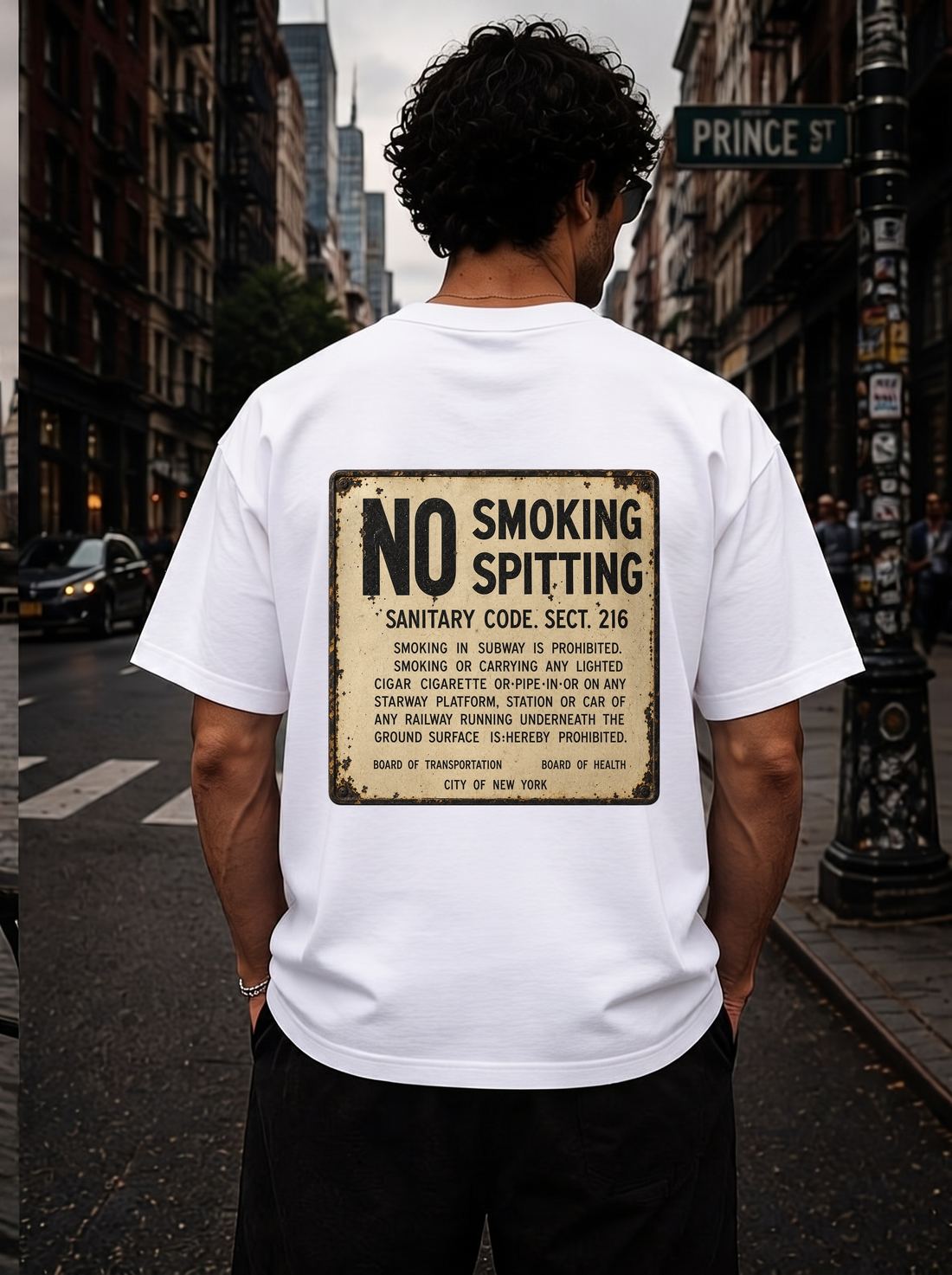
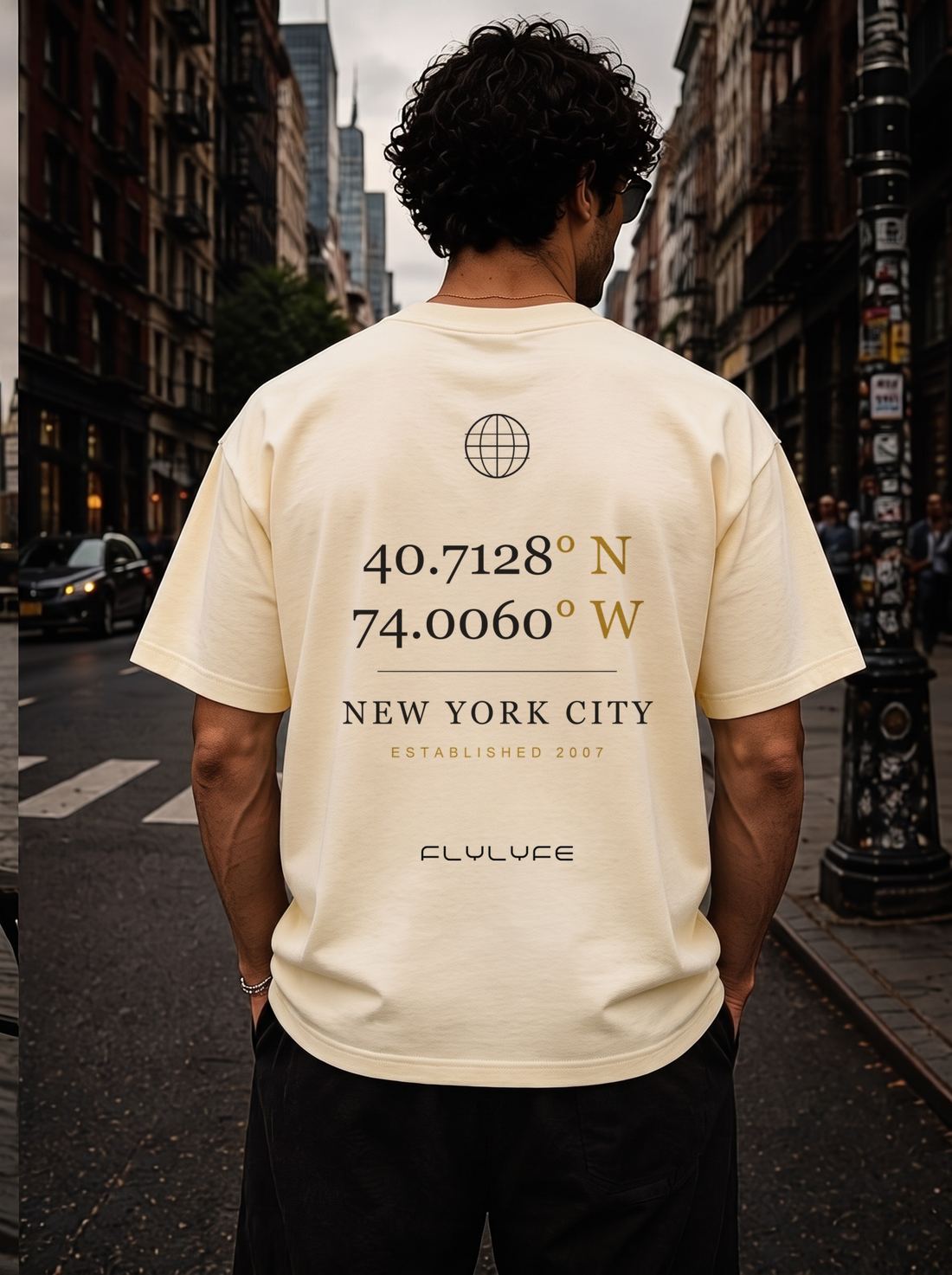
We put that little coin back where it belongs, on your chest. the Token Tee reworks the brass slug and its punched-out lettering into a graphic built for people who still feel the city in it. For the same vintage New York energy, our nod to the old enamel transit signage borrows the typographic language of the placards that once hung in every car, and the Coordinates Tee pins a moment to an exact spot on the map, the way a great night out lives at one address forever.
Every FLYLYFE tee is a Comfort Colors 1717, a heavyweight garment-dyed 100% ring-spun cotton blank that wears soft and broken-in from day one. Each one is DTF-printed to order in Los Angeles, finished so nothing scratches, and priced at $49.99. Men’s and women’s relaxed tees run S–3XL; women’s fitted tees run S–2XL. US shipping is calculated by weight at checkout, from $11.49 for one tee, and international shipping starts at $19.49 (any import duties or VAT are paid by the customer on delivery). Production runs 7-10 business days because it is made for you, not pulled off a pile. Feel the music, feel the vibe, live your lyfe.
Frequently asked questions
When was the NYC subway token introduced and when was it retired?
The token debuted in 1953 after the fare rose to fifteen cents and turnstiles could not handle a dime-and-nickel combination. It was retired in 2003, with the last tokens sold on April 12, 2003. The MetroCard, first introduced in 1994, replaced it.
Why did the New York subway token become a nostalgia item?
For fifty years the token was the physical key to moving through the city, small enough to carry everywhere and tied to countless daily routines. It appeared in films, music, and jewelry and evolved through several designs, so when it was retired in 2003 an ordinary transit fare had already become a keepsake and a symbol of New York itself.
What is the FLYLYFE Token Tee made of?
It is a Comfort Colors 1717 heavyweight garment-dyed 100% ring-spun cotton tee, DTF-printed to order in Los Angeles. It is $49.99, offered in men’s and women’s relaxed S–3XL and women’s fitted S–2XL, and production takes 7-10 business days.